


Sustainable fashion means clothing and accessories designed, produced, distributed, and consumed in ways that actually minimise environmental harm, support fair labour, and keep garments in rotation longer. In practice, several distinct philosophies exist about how to get there.
The 7 forms of sustainable fashion are: Slow Fashion, Ethical Fashion, Eco or Green Fashion, Circular Fashion, Fair Fashion, Upcycled or Recycled Fashion, and Second-Hand or Vintage Fashion. Each represents a distinct approach, though they overlap in practice. You'll see some brands leading in one area while combining several others simultaneously.
One thing to clear up front: many readers searching "what are the 7 forms of sustainable fashion" also land on content about the 7 Rs of sustainability. Those are a separate framework (Rethink, Refuse, Reduce, Reuse, Repair, Recycle, Rot) used in environmental science broadly. This guide covers the 7 forms specific to fashion. A full comparison appears below.
If you want context on the opposite of fast fashion before going further, that article explains the movement these seven forms grew out of.
What Is Meant by Sustainable Clothing?
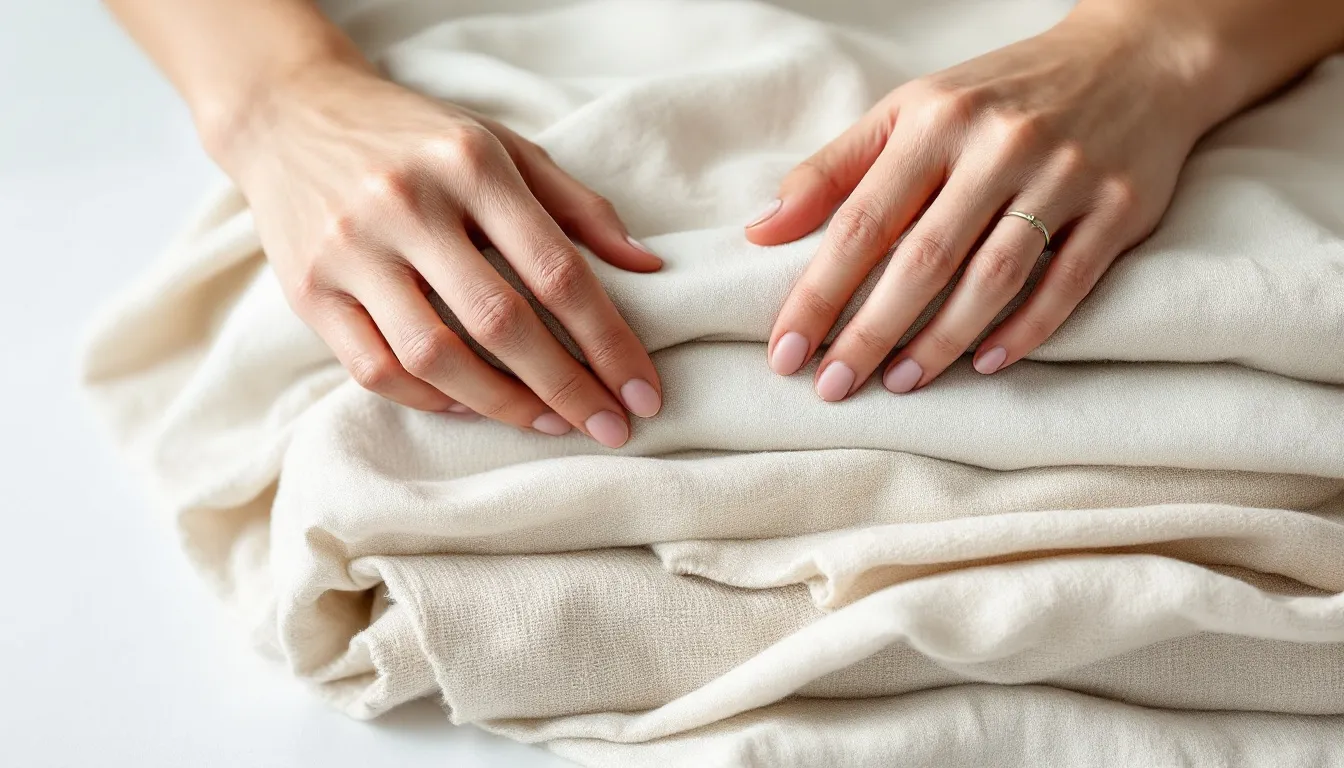
Sustainable clothing is any garment made and sold with genuine effort to reduce its negative impact across the full supply chain, from raw material sourcing to the moment you retire it.
That definition sounds simple. In reality, it covers a lot of ground. A sustainable clothing brand might prioritise organic or low-impact fibres, pay living wages to garment workers, use recycled packaging, design for longevity, or run a take-back scheme at end of life. The best brands do several of these at once.
Fabric choice is one of the most visible entry points. Fibres like bamboo viscose and organic cotton vs bamboo fabric carry different environmental profiles across water use, pesticide reliance, and end-of-life biodegradability. Bamboo grows quickly without heavy pesticide input, and the resulting viscose fabric tends to be soft, moisture-wicking, and genuinely durable. [STAT: global textile water consumption figures from a verified environmental body such as WRAP or the Ellen MacArthur Foundation]
Durability is part of the equation too. Sustainable clothing that falls apart in six months isn't actually sustainable, regardless of the fibre. Construction quality, seam integrity, and fabric density determine whether a garment earns its footprint. Explore sustainable menswear basics to see how this plays out in everyday wardrobe choices.
[QUOTE: textile sustainability or circular fashion expert on lifecycle impact of fabric choice]
The 7 Forms of Sustainable Fashion, Explained
The 7 forms represent distinct philosophies about how clothing should be made, bought, worn, and retired. Most sustainable brands align with at least two or three simultaneously.
Quick-Reference: The 7 Forms Compared
| Form | Primary Focus | Key Certifications | Best Consumer Action |
|---|---|---|---|
| Slow Fashion | Longevity, low volume | GOTS, OEKO-TEX | Buy less, choose quality |
| Ethical Fashion | Worker rights | Fair Trade, B Corp | Check the factory list |
| Eco / Green Fashion | Environmental impact | GOTS, OEKO-TEX, bluesign | Prioritise certified fibres |
| Circular Fashion | Closed-loop systems | Cradle to Cradle (C2C) | Use take-back schemes |
| Fair Fashion | Full supply chain equity | Fair Trade, Fair Wear | Ask about upstream workers |
| Upcycled / Recycled | Waste reduction | GRS (Global Recycled Standard) | Buy deadstock and repurposed |
| Second-Hand / Vintage | Extending garment life | N/A (no new production) | Shop resale before buying new |
1. Slow Fashion
Slow fashion is the deliberate counter-movement to fast fashion: fewer pieces, made to last, with full transparency about how they were produced. A slow fashion brand might release two or three collections a year instead of fifty-two micro-drops.
Practical example: A bamboo jersey T-shirt made in a certified facility, sold at a fair price, designed to hold its shape after dozens of washes. Pros: Longer garment lifespan reduces per-wear cost and environmental impact; brands are more accountable when collections are small. Cons: Higher upfront price point; slower turnover means less seasonal variety; greenwashing risk is still present if certifications are absent.On durability: sustainable clothing built from quality fibres and solid construction genuinely outperforms fast fashion equivalents. Lifespan depends on care as much as quality. Read more about the slow fashion movement.
2. Ethical Fashion
Ethical fashion centres on the people who make your clothes: fair wages, safe conditions, reasonable hours, and no child labour. The environmental and the human are both part of the picture, but ethical fashion puts workers first.
Practical example: A brand that publishes its factory list, pays above minimum wage, and holds a Fair Trade or B Corp certification. Pros: Directly addresses the human cost of production; certifications are independently audited and verifiable; builds genuine brand trust. Cons: Ethical certification alone doesn't guarantee environmental sustainability; some brands use ethical marketing to deflect from poor environmental practices.Certification marks are your best shortcut when you can't visit a factory yourself. GOTS, OEKO-TEX, Fair Trade, and B Corp are independently audited. Vague phrases like "responsibly made" without certification are a yellow flag.
3. Eco or Green Fashion
Eco fashion prioritises environmental impact: low-carbon production, natural or recycled fibres, non-toxic dyes, and minimal water use. It overlaps with ethical fashion but the lens is ecological rather than social.
Practical example: A swimwear brand that uses ECONYL (regenerated nylon from ocean plastic) and natural plant-based dyes. Pros: Measurably reduces chemical and water footprint; certified fibres give consumers a clear benchmark; often pairs well with circular design. Cons: "Eco" is one of the most misused labels in fashion marketing; without third-party certification, environmental claims are nearly impossible for consumers to verify.[STAT: water consumption comparison between conventional cotton and lower-impact fibre alternatives, from a verified source such as the Textile Exchange or WRAP]
4. Circular Fashion
Circular fashion closes the loop: garments are designed to be repaired, resold, recycled, or composted rather than sent to landfill. It borrows from circular economy principles and treats waste as a design failure.
Practical example: A brand that offers free repair, buys back worn garments, and uses those materials in new production runs. Pros: Addresses end-of-life waste at the design stage, not as an afterthought; keeps materials in productive use longer; aligns with Cradle to Cradle principles. Cons: Circular systems are logistically complex and expensive to operate at scale; composting natural fibres requires the right infrastructure; not all brands that claim "circularity" have the systems to back it up.Circular design addresses one of fashion's biggest problems: the sheer volume of wearable clothing discarded annually simply because something newer exists. [STAT: volume of clothing sent to landfill annually, from a verified source such as WRAP or the Ellen MacArthur Foundation]
5. Fair Fashion
Fair fashion extends the fairness lens beyond garment workers to farmers, spinners, and dyers upstream. It demands equity throughout the entire supply network, not just at the end of the production chain.
Practical example: A denim brand that sources cotton from cooperatives paying farmers above market rate, with transparent pricing shared publicly. Pros: Addresses the full human cost of a garment, not just the visible factory stage; supports farming communities who rarely benefit from premium retail prices. Cons: Full supply chain transparency is rare and expensive to implement; most brands can only verify one or two tiers back from finished product.Supply chain fairness matters because most of fashion's human cost sits at the raw material stage, often invisible to consumers.
6. Upcycled or Recycled Fashion
Upcycled fashion transforms existing materials (offcuts, deadstock fabric, post-consumer waste) into new garments, often at higher quality or design value than the original. Recycled fashion uses mechanically or chemically processed fibres.
Practical example: A jacket made entirely from deadstock fabric sourced from luxury manufacturers who overstocked material. See how quality construction details like flatlock stitching matter even when the raw material is repurposed. Pros: Reduces demand for virgin fibre; keeps usable material out of landfill without the energy cost of full recycling; deadstock upcycling can produce genuinely distinctive pieces. Cons: Greenwashing risk is real here; "recycled" on a label can describe a small percentage of recycled content in an otherwise conventional product; scale is limited by available waste material.7. Second-Hand or Vintage Fashion
Second-hand fashion gives existing garments a new owner rather than producing something new. Vintage refers specifically to older items (typically 20+ years), but both approaches share the same logic: the most sustainable garment is one already made.
Practical example: Buying a near-mint vintage denim jacket from an online thrift store instead of purchasing a new one. Pros: No new production required; often the most cost-effective sustainable choice; displaces new purchases directly. Cons: Quality and condition vary widely; sizing and fit are harder to predict without trying on; high demand has made some resale platforms nearly as expensive as new retail.The 7 Rs of Sustainability vs the 7 Forms of Fashion: What Is the Difference?
The 7 Rs of sustainability are a general environmental framework, not a fashion-specific model. The 7 forms of sustainable fashion describe distinct approaches within the clothing industry. Confusing the two is understandable, since both use the number seven and share overlapping goals.
| Framework | Scope | How It Applies to Fashion |
|---|---|---|
| 7 Rs of Sustainability (Rethink, Refuse, Reduce, Reuse, Repair, Recycle, Rot) | Broad environmental and consumer behaviour framework | Guides individual choices: repair a torn seam, refuse fast fashion purchases, recycle worn-out garments |
| 7 Forms of Sustainable Fashion (Slow, Ethical, Eco, Circular, Fair, Upcycled, Second-Hand) | Fashion industry-specific | Describes how brands are built and how production systems can be restructured |
Think of the 7 Rs as a personal action checklist and the 7 forms as an industry taxonomy. A consumer applying the 7 Rs might choose second-hand clothing (form 7) or buy from a circular brand (form 4). The frameworks complement each other; they just operate at different levels.
When you land on the 7 Rs while searching for sustainable fashion principles, you're not wrong to look for overlap. But if you want to understand how a sustainable clothing brand structures its model, the 7 forms are the right vocabulary.
What Sustainable Fashion Actually Looks Like in Practice
Sustainable fashion in practice means making different decisions at each stage of the clothing lifecycle, not just buying one "green" piece and stopping there.
Here's what it actually looks like:
- Buying less, choosing better. Select a well-made bamboo or organic cotton basic over three cheaper synthetic equivalents. TBô builds bamboo viscose pieces with moisture-wicking performance and seam durability that fast fashion simply doesn't match at scale.
- Wearing longer. Wash on cold cycles, air-dry, and follow care instructions. Quality basics can outlast cheaper alternatives by years when treated well.
- Repairing instead of replacing. A small seam tear or loose button isn't a reason to discard a garment. Repair extends a piece's functional life without any new production cost.
- Shopping second-hand first. Before buying new, check resale platforms or local vintage shops. It's both cost-effective and lower-impact.
- Choosing certified fibres. Look for GOTS-certified organic cotton or OEKO-TEX-certified bamboo viscose. This ensures the fabric meets independently verified standards. Explore healthiest underwear choices for men to see how fabric certification plays out in daily wear.
- Disposing responsibly. Donate wearable items, use brand take-back schemes, or compost natural fibre offcuts. Keep material in use rather than in landfill.
On durability: sustainable clothing built from quality fibres and solid construction genuinely lasts longer than fast fashion alternatives. Read how bamboo fabric compares to cotton for a detailed look at performance across wash cycles.
---

The Blue Depths Boxer Brief
Comfortable basics made with sustainable practices and quality materials.
$19.99$19.00
Shop Now →What to Look For in Sustainable Fashion Brands
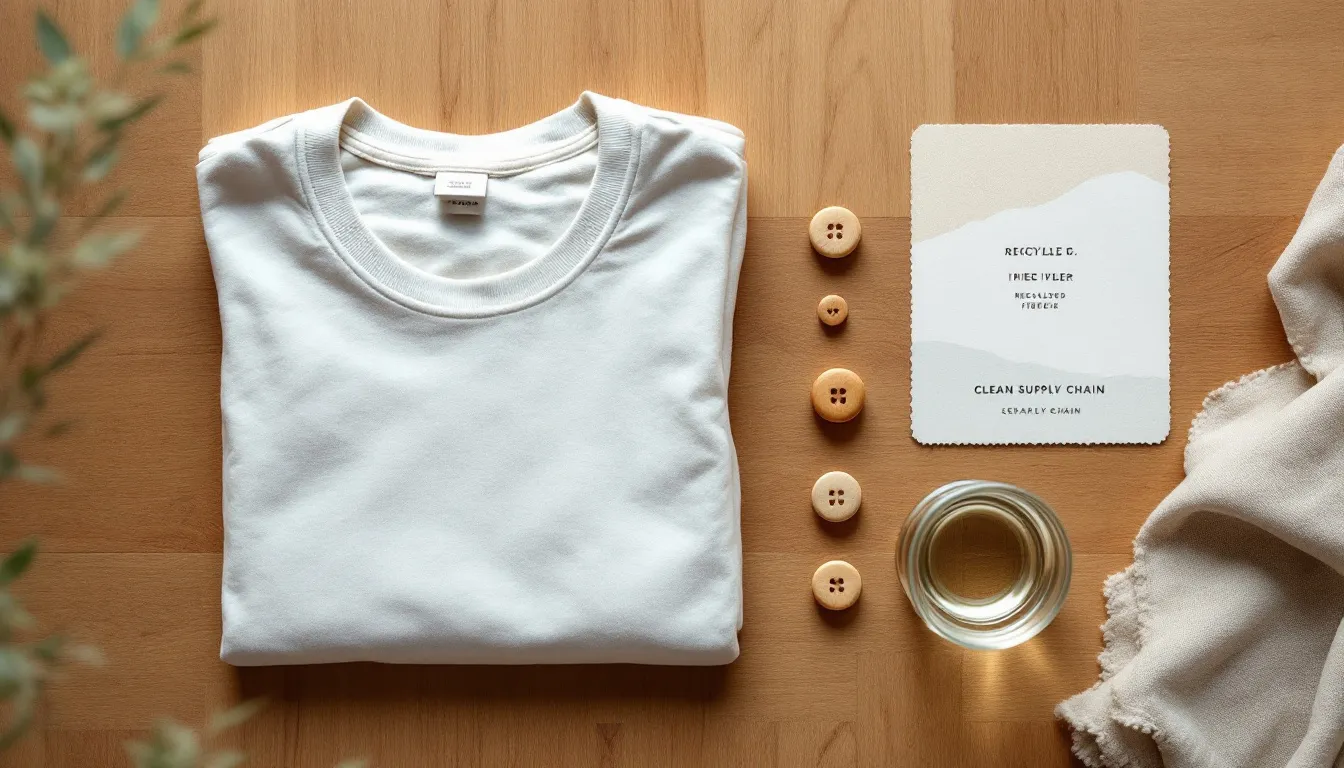
A trustworthy sustainable clothing brand is verifiable, not just vocal. The single fastest way to distinguish genuine from performative sustainability is to look for independently audited certifications.
Certifications worth trusting:- GOTS (Global Organic Textile Standard): Covers the full textile supply chain, from fibre to finished product.
- OEKO-TEX Standard 100: Certifies that fabrics contain no harmful substances at harmful levels. Relevant for anything worn close to the skin.
- B Corp: Measures overall social and environmental performance, governance, and accountability across the whole business.
- Fair Trade Certified: Focuses on fair pay and conditions throughout the supply chain.
- Global Recycled Standard (GRS): Verifies recycled content claims and tracks material through the supply chain - important for brands using recycled or upcycled fibres.
Vague language like "eco-conscious," "planet-friendly," or "sustainably inspired" without certification or supply chain data is a warning sign. Brands serious about sustainability publish specifics: factory names, material sourcing regions, carbon data, or wage policies.
Another common greenwashing tactic: leading with a single "green" product while the rest of the line stays unchanged. A brand with one organic cotton T-shirt and fifty conventional synthetics is not a sustainable fashion brand. The commitment needs to run through the catalogue, not just the press release.
Transparency in co-creation is a stronger marker than a logo. TBô builds products in direct collaboration with its community of 400,000+ members, making the design and sourcing process visible rather than hidden behind marketing copy. That structural transparency is harder to fake.
For a deeper look at what makes men's underwear genuinely sustainable, see what makes men's underwear genuinely sustainable and how slow fashion brands are built differently.
Sustainable Fashion for Men: Where to Start with Your Wardrobe
Start with basics. The highest-impact sustainable swap for most men is replacing everyday essentials (underwear, T-shirts, socks) with better-made alternatives, because those are the pieces worn most often and replaced most frequently.
Underwear is the obvious starting point. You wear it every day, it sits directly against your skin, and conventional options are almost always made from conventional cotton or synthetic blends with no supply chain transparency. Switching to bamboo viscose underwear from a brand like TBô immediately reduces your synthetic fibre exposure and your per-wear environmental cost, especially when the pieces last through hundreds of washes without losing shape.
From there, work outward: T-shirts, then outerwear, then occasion-specific pieces. Prioritise certifications over marketing language and construction quality over novelty.
Think about your lifestyle too. If you're building a gym kit, what to pack in your gym bag sustainably covers the right fabric choices for performance and longevity. If you're packing for a trip, sustainable packing for your next beach trip applies the same logic to travel. And if waistband integrity matters to you (it should), men's underwear built to last explains why construction details separate durable basics from disposable ones.
---

The Black Long John Set 3-Pack
Sustainable bamboo menswear essentials for eco-conscious male wardrobes.
$134.91
Shop Now →Frequently Asked Questions
What are the seven Rs of sustainable fashion?
The 7 Rs of sustainable fashion is a phrase sometimes used, but the underlying framework originates in broader environmental science: Rethink, Refuse, Reduce, Reuse, Repair, Recycle, Rot. Applied to fashion, these guide individual consumer decisions such as repairing a torn seam instead of discarding the garment, or refusing fast fashion purchases. They are not the same as the 7 forms of sustainable fashion, which describe industry-level brand structures and production philosophies.
Which sustainable fashion certifications actually mean something?
Four certifications carry genuine weight because they require independent auditing rather than self-reporting: GOTS (Global Organic Textile Standard) covers the full supply chain from fibre to finished garment; OEKO-TEX Standard 100 certifies no harmful substances at harmful levels; Fair Trade Certified verifies fair pay and safe conditions; B Corp assesses overall social and environmental performance across the whole business. If a brand lists none of these but uses phrases like "sustainably inspired," treat that as a red flag.
What counts as a sustainable fashion practice?
A sustainable fashion practice is any action that reduces the social or environmental harm of clothing across its lifecycle. Buying certified-fibre garments, repairing rather than replacing, shopping second-hand, caring for clothing to extend its life, and donating instead of discarding all count. For brands, transparent sourcing, fair wages, low-impact dyes, and circular take-back schemes are standard sustainable practices.
What are examples of sustainable fashion?
Examples include buying second-hand or vintage clothing, choosing garments made from GOTS-certified organic cotton or OEKO-TEX-certified bamboo viscose, shopping from B Corp-certified brands, repairing worn items instead of replacing them, and selecting pieces designed for longevity rather than seasonal trend cycles. At the product level, bamboo viscose underwear with flatlock seams and no synthetic blends is a practical daily-wear example.
Can circular fashion actually work at scale?
Circular fashion works best when brands design for it from the start rather than bolting on a take-back programme as an afterthought. The honest answer: most circular schemes are still small relative to global garment volumes, and collection and reprocessing infrastructure is genuinely limited. That said, garment repair and resale programmes have expanded significantly in recent years and do displace some new production. The system isn't perfect, but partial circularity is meaningfully better than none.
Where can you find curated sustainable or eco-friendly fashion retailers online?
Curated sustainable fashion platforms typically filter by certification (GOTS, Fair Trade, B Corp) and provide supply chain information per brand. Look for marketplaces that require third-party verification from their listed brands rather than self-reported claims. Online thrift stores in the US are another route for second-hand finds with a lower environmental footprint than new purchases.
What sustainable menswear brands help reduce fast-fashion waste?
Sustainable menswear brands that genuinely reduce fast-fashion waste focus on three things: durable materials (bamboo viscose, organic cotton, recycled fibres), construction quality (reinforced seams, tested elastics, stable sizing), and circular end-of-life options (take-back, repair, or resale programmes). Brands with a transparent co-creation model, where community input shapes product decisions, tend to produce fewer wasted units because they make what people actually want rather than forecasting trend cycles.
The Bottom Line on Sustainable Fashion
Sustainable fashion means choosing how clothing is made, worn, and retired with genuine intention, not just buying something labelled "green." The 7 forms (Slow, Ethical, Eco, Circular, Fair, Upcycled, and Second-Hand) give you a vocabulary for understanding brand models, and the 7 Rs of sustainability give you a personal action framework. Both are useful. Neither is a substitute for reading the label, checking the certifications, and asking hard questions.
Start small and start with what you wear closest to your skin. Better basics create a foundation that compounds over time.
Ready to make the switch where it counts most? Explore TBô's sustainable bamboo basics for men and feel what genuinely sustainable construction does from the inside out.
0 comments