


Pact Clothing is a Colorado-based DTC apparel brand selling GOTS-certified organic cotton basics, including underwear, loungewear, and casual clothing, through its own website. Ask whether Pact is worth your money and the answer is: yes, with real caveats.
Certifications are legitimate, fabric quality is solid, and the brand operates with integrity. But trade-offs around moisture management and performance matter before you commit.
If you care about sustainable men's underwear and are weighing options, this review covers the essentials: whether the company is real, what its certifications actually mean, how the fabric performs day-to-day, pricing, returns, and when bamboo viscose genuinely serves you better than organic cotton.
What Is Pact Clothing?
Pact Clothing is a Colorado-based DTC apparel brand selling GOTS-certified organic cotton basics: underwear, loungewear, and casual clothing through its own website.
The certifications are independently audited and real. The fabric quality is solid for everyday wear. But organic cotton has genuine limitations around moisture management and odour control that matter before you commit.
This review covers what the brand actually delivers, where it falls short, and when bamboo viscose is the smarter call for men who want sustainable basics that perform all day.
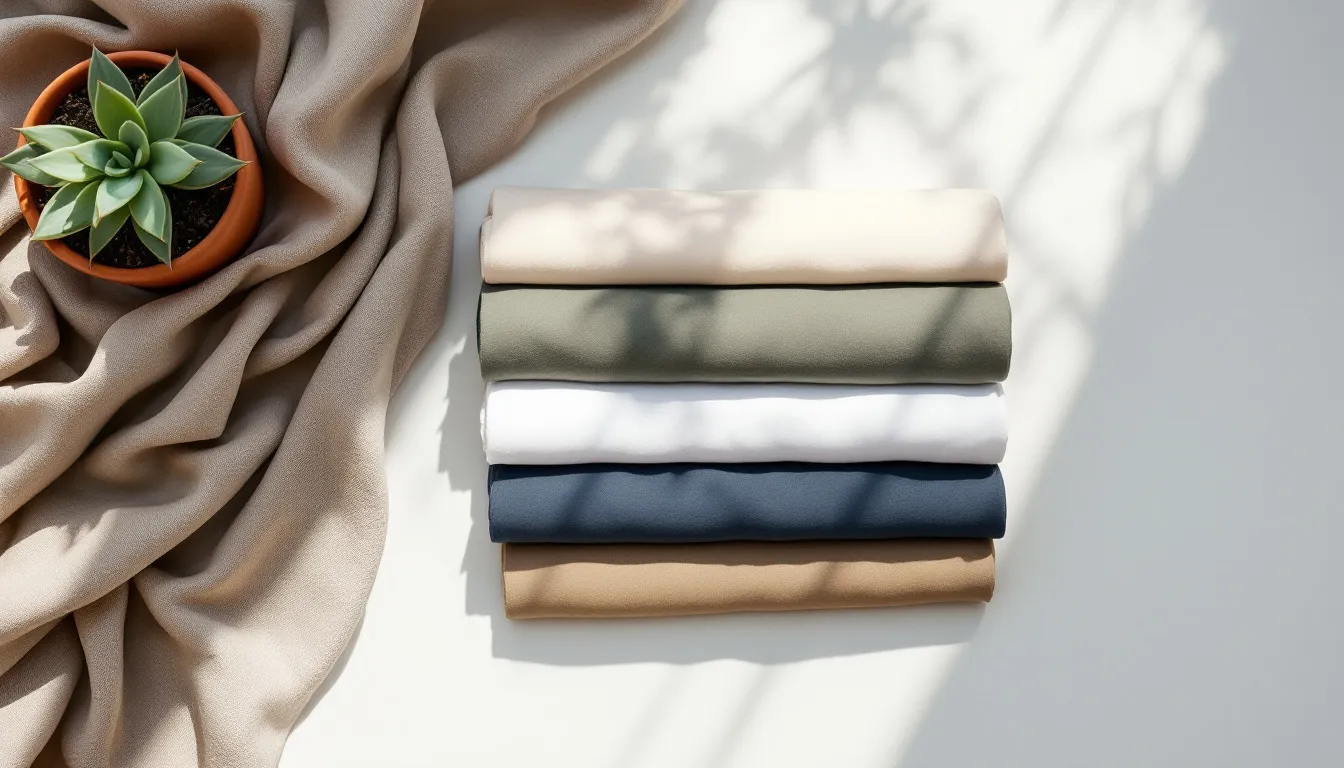
If you care about sustainable men's underwear and are weighing your options, you're in the right place.
Is Pact Clothing a Legitimate Brand?
Pact is a real company with genuine staying power. Founded in 2009 in Boulder, Colorado, it has operated continuously for over fifteen years. Not a dropshipping front. Not a pop-up brand cashing in on eco-fashion trends.
The brand carries GOTS (Global Organic Textile Standard) and Fair Trade certifications. Both require independent auditing. Third parties verify the cotton source, audit the supply chain, and check labour conditions. These aren't self-issued badges.
Some shoppers mistake Pact's limited retail presence for a legitimacy problem. It's actually the opposite. Brands serious about supply chain control typically sell direct. That model lets them know exactly where their product is and who's representing it.
Pact has expanded across men's, women's, and children's basics while maintaining certification standards throughout. For context on what genuine sustainability looks like in fashion, see the opposite of fast fashion.
Pros of Pact:- GOTS and Fair Trade certifications independently audited
- Fifteen-plus years of continuous operation
- Transparent supply chain with published sourcing details
- Ethical factory conditions in certified facilities
- Limited physical retail presence
- No Amazon-wide product availability
- Moisture wicking and odour control are not organic cotton's strengths
How Sustainable Is Pact Clothing, Really?
Pact's sustainability credentials are solid for a brand its size. GOTS certification covers both the organic status of the cotton and labour conditions throughout the supply chain. Fair Trade certification adds a layer specifically around worker wages and workplace protections. Together, these create real accountability.
Organic cotton is grown without synthetic pesticides or fertilisers, which benefits soil health and reduces chemical runoff. [CITATION: GOTS official certification standards page] Cotton remains a water-intensive crop regardless of how it's grown, and no organic cotton brand has fully solved that. Pact is transparent about their impact, which puts them ahead of most competitors who stay silent on the issue.
Their factories, primarily in India, are Fair Trade certified. Workers receive fair wages and operate in audited conditions. Supply chain transparency is where Pact earns real credit. Many brands claim ethical sourcing without publishing verifiable evidence. Pact does the work.

Here's where organic cotton hits its ceiling: performance. Moisture wicking, odour control, and fast drying aren't its strengths. For everyday casual wear, that's fine. For athletic use or warm climates, you'll feel the gap quickly. [STAT: percentage of cotton farming water usage vs bamboo] If you're comparing organic cotton vs. bamboo underwear, the performance difference becomes obvious fast.
[QUOTE: topic: sustainable textile expert on the trade-off between organic cotton certification standards and bamboo viscose performance]
For men specifically, the fabric choice in underwear has real day-to-day consequences. The genuine sustainable underwear options for men conversation now goes beyond certifications. It includes how a fabric actually performs against your skin across a full day.
What Does Pact Clothing Actually Feel Like to Wear?
Pact's organic cotton fabric is soft, breathable in mild conditions, and holds its shape reasonably well through normal wear. The fit is clean and minimal. For loungewear or everyday basics in temperate weather, it performs as you'd expect from a certified organic cotton product.
Men across community forums consistently report that Pact underwear can feel heavier and less breathable in warmer conditions. Pilling after extended washing is also noted, which is a normal characteristic of cotton jersey rather than a Pact-specific defect. The real limitation: organic cotton doesn't inherently resist odour or wick moisture away from the body. That means Pact underwear can feel damp and uncomfortable during physical activity or on hot days.
This is where bamboo viscose steps in as a meaningfully different option. Bamboo naturally wicks moisture, resists odour without chemical treatments, and has a softer hand-feel that many wearers notice immediately. If you're choosing the healthiest underwear for men, fabric breathability and skin contact properties deserve serious consideration alongside certifications.
What to expect from Pact fabric:- Soft feel out of the wash, especially on first wear
- Acceptable breathability in cooler or mild conditions
- Possible pilling after 6-12 months of regular washing (normal for cotton jersey)
- No meaningful odour resistance: cotton absorbs and retains rather than repelling
- Moisture absorption rather than wicking; you'll feel sweat rather than have it pulled away
TBô boxer briefs in bamboo viscose offer a useful point of comparison. The bulge-enhancing pouch design and flatlock construction address real comfort problems that basic cotton briefs typically ignore.


Understanding how bamboo compares to organic cotton across moisture, odour, and feel will help you pick the fabric that actually suits your lifestyle.
Pact Clothing Pricing: Is It Worth the Cost?
Pact sits in the mid-range price bracket. More affordable than premium sustainable brands like Patagonia, but well above fast fashion. Expect to pay roughly $18 to $25 per pair of underwear. That's competitive for certified organic basics.
The value makes sense if GOTS certification and Fair Trade labour practices are your primary concerns. If performance fabric is also a priority, the calculation shifts. Here's how different brand tiers compare:
| Brand Tier | Price Range (per pair) | Certifications | Primary Fabric | Moisture Wicking |
|---|---|---|---|---|
| Fast fashion | $5-$10 | None typically | Conventional cotton/polyester | Minimal |
| Pact Clothing | $18-$25 | GOTS, Fair Trade | Organic cotton | Low |
| TBô | Comparable mid-range | Sustainable sourcing | Bamboo viscose | High |
| Premium eco brands | $30-$50+ | Various | Mixed | Varies |
Multi-packs bring the per-unit cost down meaningfully. TBô offers three-pack bundles in bamboo viscose that deliver strong value at a price point competing directly with Pact's single-pair pricing, with the added performance benefits built in.
What you actually get for the price:- Pact's $18-$25 buys certified organic cotton with verified ethical production
- TBô's comparable price point adds moisture-wicking bamboo viscose and a pouch-fit design
- Neither brand is fast fashion: both represent genuine investment in quality basics


If extending your sustainable wardrobe beyond buying new appeals to you, online thrift shopping as a sustainable alternative is worth exploring alongside any new brand you're considering.
Where Can You Buy Pact Clothing?
Pact clothing sells primarily through its official website at wearpact.com. That's the most reliable place to find the full range. Here's what you need to know about each channel readers typically ask about.
Amazon: Pact has a presence on Amazon, though the selection is usually more limited than on its own website. Pricing can vary. If you prefer Amazon's checkout experience and shipping, you can find some products there. Whole Foods: Pact has landed in select Whole Foods Market locations, particularly basics like socks and underwear. Availability varies by store and region, so calling ahead makes sense. Physical stores: Beyond select Whole Foods locations, Pact doesn't operate standalone retail stores. Most shoppers will find the brand online. Official website: The best selection, complete size availability, and any active promo codes live on wearpact.com directly. Bundle deals and new releases launch there first.This DTC-focused model is deliberate. Brands built to prioritise supply chain control and ethical sourcing often choose direct channels. For context on why this model is common among ethical labels, see brands built against the fast fashion model.
Returns, Sizing, and Customer Experience at Pact
Pact's return process is clear: items can typically be returned within 30 days of purchase if unwashed and unworn. Check the current return policy on the official website before assuming anything, as specifics can shift. Refunds go back to your original payment method.
For promo codes and discounts, Pact periodically offers first-purchase discounts through email sign-up, seasonal sales, and referral programmes. The most reliable place to find active codes is directly on wearpact.com or through their newsletter. Third-party coupon sites often list outdated codes.
Sizing at Pact follows standard US sizing, and the brand provides a detailed size guide on its website. Most customers find sizing runs true to label for basics like underwear and tees. One common community forum complaint: waistbands can loosen faster than expected after repeated washing, which is a known cotton jersey characteristic.
Common sizing and fit notes from Pact shoppers:- Sizing runs true to US size labels in most cases
- Waistbands may lose elasticity after heavy use, a cotton jersey characteristic
- No dual EU/US sizing available; international shoppers should use the conversion guide on the site

If return ease and a no-hassle experience matter as much as fabric quality, TBô also offers clear sizing guidance with dual EU/US sizing charts for international customers:


One practical fit consideration: underwear that actually stays in place is a real comfort issue worth solving, and waistband construction varies meaningfully between brands.
Is Pact Clothing Worth It Compared to Other Sustainable Brands?
Among sustainable clothing brands, Pact holds a credible position. GOTS and Fair Trade certifications are substantive. But how it compares depends entirely on what you weight most: certifications, fabric performance, or price per wear.
The core comparison between Pact's organic cotton and bamboo viscose (used by brands like TBô) comes down to a clear set of trade-offs:
| Attribute | Organic Cotton | Bamboo Viscose |
|---|---|---|
| Sustainability certification | GOTS-certifiable | Sustainably sourced; certification varies by brand |
| Moisture wicking | Low | High |
| Odour resistance | Low | High (natural antimicrobial properties) |
| Softness | Good | Very high |
| Breathability | Moderate | High |
| Pilling tendency | Moderate | Low |
| Environmental footprint | Water-intensive growing | Processing requires closed-loop or open-loop methods |
Neither fabric is perfect. Organic cotton's certifications are more standardised and universally recognised. Bamboo viscose performs better against your skin in active conditions and warm weather. The right choice depends on how you plan to actually wear it.
For the full breakdown, read organic cotton vs. bamboo underwear. And if you're asking what makes underwear genuinely healthy for men, the answer involves more than just the crop it came from.
TBô's trunk options in bamboo viscose represent the performance end of this spectrum:


Pact Clothing: Frequently Asked Questions
Is Pact an actual company?Yes. Pact is a real company founded in 2009 and headquartered in Boulder, Colorado. It has operated continuously for over fifteen years. The brand holds third-party certifications including GOTS and Fair Trade, both of which require independent auditing of the supply chain, not just self-certification. That track record and verification process distinguish it from many online labels.
Is Pact clothing legitimate?Yes. Pact is a legitimate brand with independently audited certifications, a published supply chain transparency policy, and a long track record. Shopper confusion sometimes stems from its lack of physical retail presence, but that reflects its DTC model rather than any quality concern. Brands serious about supply chain integrity typically sell direct.
What is the healthiest clothing brand available?No single brand owns that title, since "healthiest" depends on fabric, fit, and your personal skin sensitivity. Brands using organic cotton (like Pact) or bamboo viscose (like TBô) generally outperform conventional fast fashion for skin contact. For underwear specifically, see how flatlock stitching affects comfort: construction matters as much as the fabric itself.
Is Pact clothing available through Amazon?Yes, Pact has an Amazon presence with a selection of products. The full range and best pricing typically live on its own website at wearpact.com. If you prefer Amazon's checkout experience, you can find core products there, but expect a narrower selection than the brand site offers.
Is Pact clothing carried at Whole Foods?Select Whole Foods Market locations carry Pact basics, including socks and underwear. Availability varies by location and can change seasonally. Confirming with your local store before making a trip is the safer move than assuming stock will be there.
What is Pact's return process?Items can typically be returned within 30 days of purchase if unworn and unwashed. Check the current policy on the official website before ordering, as the specifics can update. Refunds are processed back to the original payment method once the return is received and inspected.
How does organic cotton compare to bamboo viscose for underwear?Organic cotton offers strong sustainability certifications and is soft in mild conditions. Bamboo viscose wicks moisture, resists odour naturally, and performs better in warmer climates or active wear scenarios. The right choice depends on where and how you'll wear it. Read the full organic cotton vs. bamboo underwear comparison for the complete breakdown.
The Verdict on Pact Clothing
Pact Clothing delivers on its core promise: certified organic cotton basics, ethically made, at a mid-range price. The GOTS and Fair Trade certifications are real and independently verified. For loungewear, casual tees, and everyday basics in mild conditions, Pact is a solid choice.
The trade-offs are equally real. Organic cotton underwear absorbs moisture rather than wicking it, tends to retain odour over time, and can feel heavier than performance alternatives. If your day involves physical activity, warm weather, or simply long hours where comfort is non-negotiable, those limitations matter.
Quick verdict by use case:- Casual loungewear and mild-climate basics: Pact delivers well
- Active wear or hot climates: look at bamboo viscose instead
- Values-first shoppers who prioritise certifications above all: Pact is your brand
- Performance-plus-sustainability shoppers: bamboo viscose is the stronger option
If you want sustainability plus performance from your Pact Clothing alternatives, bamboo viscose deserves serious attention. TBô boxer briefs are built for men who want both: sustainably sourced fabric, moisture-wicking technology, and a fit designed around the male body with a bulge-enhancing pouch that basic cotton briefs don't offer.
Explore sustainable men's underwear if you're building a wardrobe that performs as well as it looks. Or go bigger: build a gym bag around performance basics or pack the right underwear for a beach trip.

You deserve underwear that's good for the planet and good to your body. These two things aren't in conflict. You just need to know where to look.
Discover TBô and experience the difference that sustainable bamboo viscose makes.
0 comments