


Microplastic-free men's underwear is exactly what it sounds like: underwear made from natural or natural-origin fibers that won't shed plastic microparticles into your laundry water, your skin, or the wider environment. If you're wearing polyester or nylon briefs right now, every wash cycle is releasing tiny plastic fragments into the water system. Synthetic textiles are a significant source of microplastic pollution in our waterways, and your underwear spends more time against your skin than almost any other garment. Switching to natural fibers is one of the simplest, most personal ways to reduce that exposure.
The best options? Bamboo viscose, organic cotton, and modal. In short:
- Bamboo viscose: softest, moisture-wicking, naturally odor-resistant, microplastic-free
- Organic cotton: breathable, biodegradable, independently certified via GOTS
- Modal: soft and biodegradable, best for lower-intensity wear
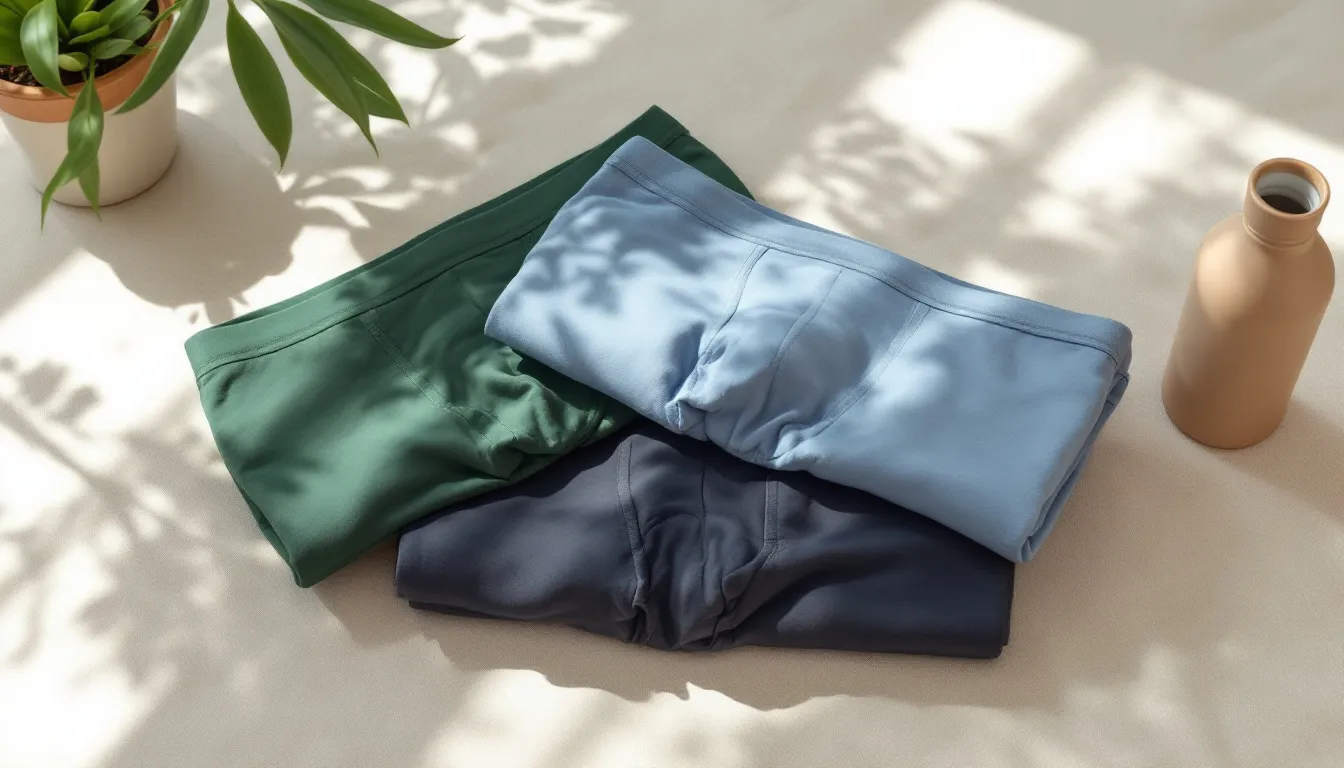
Bamboo viscose, which TBô uses throughout its range, is a natural-origin semi-synthetic that doesn't shed plastic microparticles and delivers genuinely impressive softness and breathability. Want the full picture on the healthiest underwear for men? Fabric choice is where that conversation starts.
What Are Microplastics and Why Your Underwear Drawer Should Care
Microplastics are plastic particles smaller than 5mm that enter the environment through the breakdown or shedding of synthetic materials. Your laundry is one of the most direct sources. Every time a garment made from polyester, nylon, or acrylic goes through the wash, it releases thousands of plastic microfibers into wastewater. Most treatment systems don't catch them all, so they end up in rivers, oceans, and eventually food chains. [CITATION: peer-reviewed study on synthetic textile microplastic shedding in laundry wastewater]
Here's where people get confused: "microplastic" and "microfiber" aren't the same thing, even though they're used interchangeably in underwear discussions. A microfiber is a very fine synthetic or natural fiber used in fabric construction. When that fiber is plastic-based (polyester, nylon, acrylic), the fragments it sheds are microplastics. When it's plant-based (bamboo, cotton, wool), what it sheds is biodegradable cellulose, not plastic. The real question isn't "does this garment shed fibers?" (almost all textiles do) but "what are those fibers actually made of?"
[STAT: estimated number of microplastic fibers released per wash cycle from a synthetic garment]

Underwear sits closest to your skin for the longest periods of any garment. Men wear underwear an average of 12 to 16 hours a day, which means whatever fabric you choose is in near-constant contact with your body and going through your wash cycle regularly. If you're concerned about microplastic load, your underwear drawer is exactly the right place to start. The broader shift away from fast fashion is covered in our opposite of fast fashion piece, but for everyday basics, it begins with what you're wearing underneath everything else.
[QUOTE: textile or environmental scientist on the scale of microplastic pollution from synthetic textiles]
Are Microfiber Underwear Healthy? What You Actually Need to Know
Microfiber underwear isn't necessarily dangerous, but it isn't the safest choice for daily wear either. Microfiber fabrics made from polyester or nylon shed plastic microparticles with every wash, and those particles accumulate in the environment and potentially in the body over time. [CITATION: emerging health research on microplastic exposure and human health] Research into microplastic exposure is a growing area of scientific concern, though the full picture is still developing.
The question "is microfiber underwear bad for you?" has a nuanced answer. Wearing polyester microfiber underwear occasionally isn't going to cause immediate harm. But wearing it every day, against your most sensitive skin, with every wash releasing microplastics into waterways, adds up in ways that matter both personally and environmentally. It's not about a single pair of boxer briefs. It's the cumulative effect of billions of synthetic garments cycling through our water systems.
Not all synthetic fabrics shed equally. Tightly woven synthetics shed less per wash than loosely knit ones. But even low-shedding polyester is still plastic. Natural-origin fibers sidestep the issue entirely. Bamboo viscose, for example, is derived from plant cellulose. If it sheds fibers in the wash, those fibers biodegrade. They don't persist as plastic.

The Forest Green Boxer Brief is made from bamboo viscose, which gives you the silky softness people associate with microfiber but without any plastic content. For anyone paying attention to men's gut health and environmental exposures, reducing synthetic fabric contact is a reasonable, low-effort step.
What Is the Most Sustainable Fabric for Underwear?
The most sustainable fabric for underwear is organic cotton or bamboo viscose, depending on your priorities. Organic cotton wins on transparency and certification pathways. Bamboo viscose wins on water efficiency during cultivation, softness, and odor control. Both are microplastic-free. Here's how the full field stacks up:
| Fabric | Microplastic-Free? | Sustainability Credentials | Comfort Notes | Best For |
|---|
|---|
| Bamboo Viscose | Yes | Low pesticide crop, water-efficient, biodegradable fiber | Extremely soft, moisture-wicking, naturally odor-resistant | Everyday wear, active use, sensitive skin |
| Organic Cotton | Yes | Certified pesticide-free, fully biodegradable, transparent supply chains | Breathable, familiar feel, slightly less stretch | Classic comfort, warm climates |
| Conventional Cotton | Yes | Not microplastic-shedding, but high water and pesticide use | Durable, widely available | Budget basics |
| Polyester | No | Petroleum-derived, non-biodegradable, heavy microplastic shedder | Stretchy, moisture-wicking | Performance sport (with trade-offs) |
| Nylon | No | Petroleum-derived, durable but non-biodegradable | Smooth, elastic | Compression garments |
| Modal | Yes | Beechwood-derived, biodegradable, semi-synthetic like bamboo | Very soft, slightly less odor-resistant than bamboo | Loungewear, low-intensity use |
TBô's choice of bamboo viscose isn't random. Bamboo grows quickly without pesticides and uses significantly less water than conventional cotton crops. [STAT: water usage comparison between bamboo cultivation and conventional cotton per kilogram of fiber] The resulting fiber is soft enough to sit against sensitive skin without irritation, which matters when you're talking about underwear.
One thing worth knowing: bamboo viscose is semi-synthetic. The fiber comes from natural bamboo pulp, but it undergoes a chemical processing step to become fabric. Processing methods vary by manufacturer, and not all bamboo viscose is produced the same way. Responsible brands use closed-loop processing that recovers and recycles the chemicals involved; open-loop processing releases those chemicals into waterways. When evaluating a brand's sustainability claims, it's fair to ask which process they use. TBô uses responsible processing methods and holds OEKO-TEX certification, meaning the finished fabric has been independently tested for harmful substances.

For deeper comparisons, check out the organic cotton vs bamboo underwear breakdown and the sustainable underwear guide for men for more context.

The Blueberry Black Boxer Brief shows bamboo viscose in action: it's the fabric's actual performance, not just the sustainability story, that makes it worth wearing.
Bamboo Underwear Benefits: More Than Just the Sustainability Angle
Bamboo underwear benefits go beyond environmental credentials. Bamboo viscose fabric is genuinely more comfortable for everyday wear than most synthetic alternatives, and it holds that comfort wash after wash. The sustainability angle is a bonus on top of a fabric that earns its place on performance alone.
Softness. Bamboo viscose has a naturally fine fiber structure, which translates to a smooth, almost silky hand feel. Men who switch from cotton typically report they can't go back. The difference is noticeable from the first wear. Moisture management. Bamboo fiber is naturally moisture-wicking, moving sweat away from your skin rather than trapping it. For all-day wear or gym use, this keeps you drier and more comfortable. Odor resistance. Bamboo has natural antibacterial properties that help prevent odor buildup. You'll notice a difference compared to synthetic fabrics that trap smell after a full day. Breathability. The fiber structure allows air to circulate, which is especially valuable in underwear. Less heat buildup means more comfort in warm weather and during physical activity. If you're putting together gym bag essentials for men, a couple of bamboo boxer briefs belong on the list. Skin-friendliness. Bamboo viscose is gentle enough for sensitive skin. It's non-irritating against delicate areas, which is exactly what you want from underwear worn all day. Pros of bamboo viscose underwear:- Microplastic-free and biodegradable at end of life
- Softer hand feel than cotton or polyester blends
- Naturally moisture-wicking and odor-resistant
- Gentle on sensitive skin
- Semi-synthetic processing step required (quality varies by brand)
- Slightly higher price point than basic cotton
- Requires a reputable brand to ensure responsible manufacturing
Owners on community forums consistently report that the first wash doesn't diminish the softness the way it does with cheaper cotton blends. The fabric stays consistent.

The Powder Blue Boxer Brief shows all these properties in a lightweight, everyday cut. If you prefer something more neutral, The Charcoal Gray Boxer Brief delivers the same bamboo viscose benefits in a shade that works with any wardrobe.

What Material Is Best for Men's Underwear? The Honest Answer
Bamboo viscose is the best material for men's underwear. Full stop. It outperforms conventional cotton on softness, moisture management, and odor control. It outperforms synthetic fabrics on skin safety and environmental impact. And it's microplastic-free, which matters more the longer you think about it.
That said, "best" depends on context. Here's a quick guide:
- Everyday comfort and all-day wear: bamboo viscose wins
- Traditional feel with verified certifications: organic cotton is excellent
- Loungewear and low-movement days: modal is worth considering
- High-impact compression sport: polyester and nylon have their place, but not as everyday underwear
- Bamboo: softer, better odor control, more moisture-wicking
- Cotton: more familiar texture, easier to source certified options independently
- Bamboo: processing step requires brand accountability
- Cotton: uses more water in cultivation; less effective at moisture management
For daily, all-day underwear worn against your skin, natural fibers win clearly. Bamboo viscose specifically earns the top spot because it combines the comfort properties you want (softness, breathability, moisture-wicking) with sustainability credentials and zero microplastic shedding. The Lavender Purple Brief is a solid example of bamboo viscose construction in a minimal, close-fitting silhouette that works well for those who prefer briefs over boxer briefs.

For more on why fabric and construction choices matter for daily health, what the healthiest underwear for men looks like covers the full picture. Curious how stitching affects comfort and durability? The flatlock stitch construction article explains why seam type is often as important as the fabric itself.
How to Choose Microplastic-Free Men's Underwear: Your Buying Checklist
Choosing microplastic-free underwear takes about thirty seconds once you know what to look for. Check the fabric label first: if the composition is more than 5-10% polyester or nylon (excluding small amounts in elastic), it will shed microplastics. Here's the full checklist:
Fabric composition: Look for bamboo viscose, organic cotton, or modal as the primary fiber. Avoid polyester or nylon as a main fabric. Small amounts of elastane are fine: A small percentage of elastane (spandex) in the waistband or fabric blend is standard and not a significant microplastic concern at those quantities. Waistband construction: A quality waistband in natural-fiber underwear should stay in place without excess synthetic content. If you've struggled with waistbands that roll when seated, that's a construction issue, not a fabric one. TBô's waistbands are designed to lie flat; the men's underwear with waistbands that don't roll article explains why that matters. Certifications to look for:- OEKO-TEX Standard 100: confirms the fabric is free from harmful substances, independently verified
- GOTS (Global Organic Textile Standard): covers organic fiber content and responsible processing
- Any brand saying "eco-friendly" without a certification number is marketing, not evidence


The Pearl White Trunk 3-Pack is a practical starting point: three bamboo viscose trunks at a value price, so you can test the fabric properly. If you're building a more intentional wardrobe overall, the secondhand and sustainable shopping guide pairs well with this.
TBô Microplastic-Free Picks: Bamboo Underwear Worth Switching To
TBô's bamboo viscose range is the practical answer to microplastic-free men's underwear. Every style uses the same natural-origin fabric; the differences are in cut, fit, and how you prefer to wear your underwear. All styles are available in dual EU/US sizing and are made with OEKO-TEX certified bamboo viscose.
Forest Green Boxer Brief suits men who want a mid-thigh cut with full coverage and excellent support. Bamboo viscose keeps it breathable through long wear. Pros: generous coverage, moisture-wicking, strong waistband. Cons: longer leg may not suit fitted chinos.
This style works well for active days and office wear alike. The bamboo fabric handles temperature changes without becoming uncomfortable. Pros: versatile fit, odor-resistant fabric. Cons: mid-length cut isn't ideal for very cold climates.

A great option if you prefer a shorter, more compact leg. Less bunching under fitted trousers, same microplastic-free fabric. Pros: clean under slim-fit trousers, lightweight. Cons: less coverage than boxer brief cut.

If you're building a travel kit, bamboo viscose dries quickly and stays fresher longer between washes, making it genuinely useful for trips. For more on packing sustainably for travel, there's a dedicated guide.
The three-packs are the smartest price per pair. If you're new to TBô, that's the low-risk way to try the fabric across a full week.
Frequently Asked Questions
These are the questions readers ask most often about microplastic-free men's underwear.
What material is best for men's underwear?Bamboo viscose is the best all-round fabric for men's underwear. It's soft, breathable, moisture-wicking, odor-resistant, and microplastic-free. Organic cotton is an excellent alternative if you prefer a more traditional feel or want certifications you can look up independently.
Are microfiber underwear healthy?Microfiber underwear made from polyester or nylon is not ideal for daily wear. These fabrics shed plastic microparticles with washing, and they sit against your skin all day. Natural-origin microfibers like bamboo viscose and modal offer similar softness without the plastic content.
Is microfiber underwear bad for you?An occasional pair of polyester microfiber underwear won't cause immediate harm. Worn daily over years, synthetic microfiber underwear contributes to microplastic exposure through skin contact and laundry water. Natural-fiber alternatives are the lower-risk choice for everyday use.
Which men's underwear has a waistband that does not roll when seated?Waistband rolling is a construction quality issue, not purely a fabric issue. Well-constructed natural-fiber underwear with a properly anchored waistband stays in place. See the guide to the healthiest underwear for men for what to look for in construction.
Why do men's underwear have a hole in the front?The opening in the front of men's underwear (the fly) is a legacy design feature for ease of use without fully lowering your waistband. Most men don't use it functionally, and many modern styles use a simplified front panel instead. It's there if you want it; no penalty if you don't.
What is the most sustainable fabric for underwear?Organic cotton and bamboo viscose are the most sustainable fabric choices for underwear. Both are microplastic-free and biodegradable. Bamboo has an edge on water efficiency during cultivation; organic cotton has well-established certification frameworks like GOTS for independently verifying its credentials.
Does bamboo underwear shed microplastics?No. Bamboo viscose is derived from plant cellulose, not petroleum. If it sheds fibers during washing, those fibers are biodegradable plant-based material, not plastic microparticles. This is the key distinction between bamboo viscose and polyester or nylon fabrics.
How can I verify a brand's sustainability claims?Look for third-party certifications: OEKO-TEX Standard 100 confirms the fabric is free from harmful substances; GOTS certification covers organic fiber content and processing. Ask the brand specifically about their bamboo processing method (closed-loop vs. open-loop). If a brand can't answer that question, treat their sustainability claims with skepticism.
The Bottom Line on Microplastic-Free Men's Underwear
Synthetic fabrics shed plastic into your laundry water and sit against your skin all day. Natural fibers don't carry those trade-offs. Microplastic-free men's underwear made from bamboo viscose is the strongest all-round choice: soft, breathable, odor-resistant, and genuinely sustainable without sacrificing comfort.
Three takeaways: check the fabric label for polyester and nylon, prioritize bamboo viscose or organic cotton, and start with a three-pack to try the fit before committing further. If you're going to make one change to reduce your everyday microplastic exposure, your underwear drawer is the most logical place to start.
The Blue Gray Brief is one more clean, versatile option in bamboo viscose for anyone building toward a plastic-free underwear drawer.

Ready to make the switch? Explore TBô's full bamboo range and find the cut that fits your life.
0 comments